

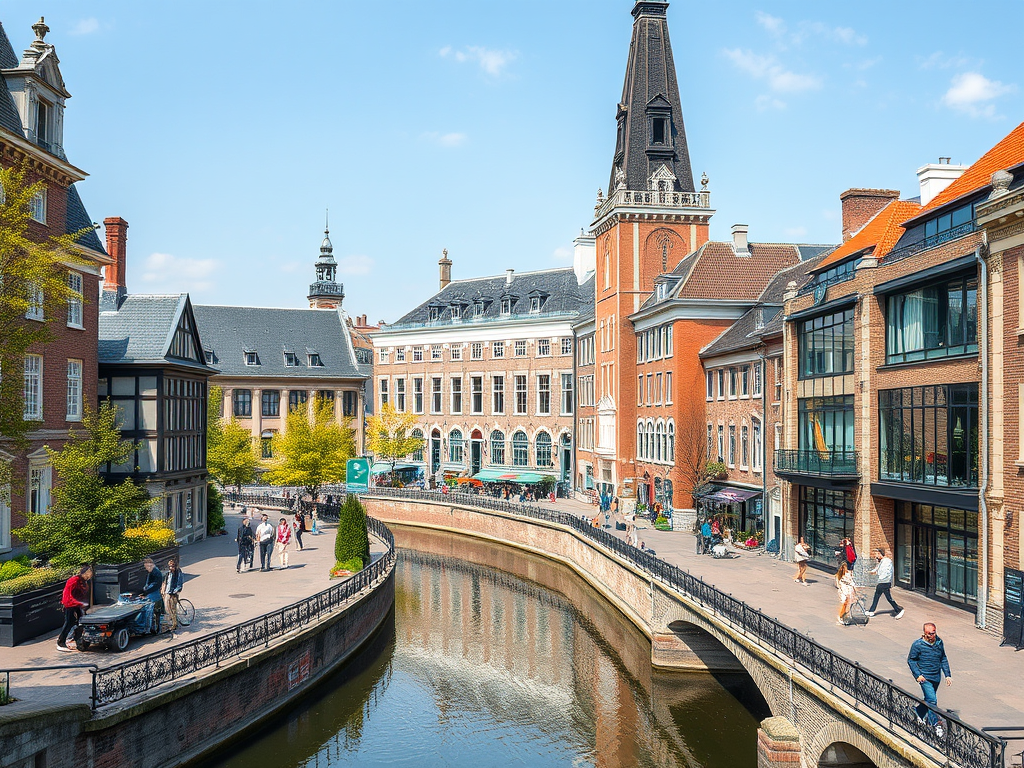
Delft University of Technology, known as TU Delft, is one of the leading technical universities in the Netherlands and Europe. Founded in 1842, it has a rich history and a strong focus on engineering, technology, and architecture.
Located in the city of Delft, which is known for its historical significance and charming canals, TU Delft offers a wide array of undergraduate and postgraduate programs across various fields, including Civil Engineering, Mechanical Engineering, Electrical Engineering, Computer Science, and Architecture. The university is particularly renowned for its research output and has strong ties with industry, helping to bridge the gap between academia and practical application.
The campus is equipped with state-of-the-art facilities, including advanced laboratories and research centers. TU Delft encourages innovation and entrepreneurship amongst its students, promoting a hands-on approach to learning through projects and collaborations with industry partners.
With a diverse student body, TU Delft attracts international students from around the globe, contributing to a rich cultural experience on campus. The university’s commitment to sustainability and addressing global challenges is also a central theme in its educational and research initiatives, aligning with modern societal needs.
Overall, Delft University of Technology stands out not only for its academic excellence but also for its vibrant community and progressive approach to education.
Delft University of Technology (TU Delft) offers a diverse range of courses designed to equip students with the knowledge and skills necessary for success in various engineering and technology disciplines. Below are some key areas of study:
Undergraduate Programs
- Civil Engineering: Focuses on the design, construction, and maintenance of infrastructure projects like bridges, roads, and buildings.
- Mechanical Engineering: Covers topics such as thermodynamics, fluid mechanics, and materials science, preparing students for careers in automotive, aerospace, and manufacturing industries.
- Electrical Engineering: Emphasizes electrical systems, signal processing, and telecommunications, enabling students to work in sectors like energy and robotics.
- Computer Science: Offers an in-depth understanding of algorithms, software development, and artificial intelligence, preparing graduates for the fast-evolving tech landscape.
- Architecture: Combines design creativity with technical knowledge, focusing on urban planning and sustainable building practices.
Postgraduate Programs
- Master of Science Programs: TU Delft provides specialized master’s degrees in fields such as Environmental Engineering, Aerospace Engineering, and Industrial Design Engineering. These programs delve deeper into advanced concepts and often include research components.
- Interdisciplinary Studies: Many master’s programs allow students to take courses from multiple disciplines, fostering a collaborative approach to problem-solving.
Research Fields
TU Delft is also known for its research-driven approach, offering courses that integrate practical projects and collaborations with industry partners. Key research areas include renewable energy, smart cities, and health technology.
Innovation and Entrepreneurship
Courses at TU Delft promote innovation and entrepreneurship, encouraging students to develop their ideas into viable projects. This is supported by initiatives like the Delft Enterprise, which aids in transforming research results into startups.
Overall, the varied course offerings at TU Delft are designed to meet the needs of a rapidly changing world, ensuring that graduates are well-prepared to tackle contemporary challenges across various sectors.
Admission Process at Delft University of Technology
The admission process for Delft University of Technology (TU Delft) is structured to ensure that the university selects the most suitable candidates for its reputable engineering and technology programs. Below is an overview of the key steps involved in the admission process for both undergraduate and postgraduate applicants.
Undergraduate Admission
- Eligibility Criteria:
- Applicants must hold a secondary school diploma with prerequisites aligned with the program they wish to pursue. For international students, this usually includes an equivalent to the Dutch VWO diploma.
- Proficiency in English is essential; applicants may be required to submit standardized test scores like IELTS or TOEFL.
- Application Submission:
- Prospective students can apply through the Dutch centralized application system, Studielink. The application typically requires submission of personal information, academic transcripts, and proof of language proficiency.
- Additional documentation, such as letters of recommendation and a motivation letter, may also be necessary.
- Selection Procedure:
- Application reviews are conducted based on academic performance, motivation, and fit for the chosen program.
- Certain programs may also require an interview as part of the selection process.
- Admission Decision:
- After assessments, candidates will receive an admission decision through Studielink. Successful applicants are invited to confirm their enrollment and pay tuition fees.
Postgraduate Admission
- Eligibility Criteria:
- Applicants should have a relevant bachelor’s degree from a recognized institution. Specific programs may have additional requirements regarding previous education or work experience.
- Demonstrated English proficiency through TOEFL or IELTS scores is usually required.
- Application Process:
- Applications are submitted directly to TU Delft’s online application portal. Required documents often include academic transcripts, a curriculum vitae, a statement of purpose, and letters of recommendation.
- Assessment and Interview:
- The selection committee evaluates applications based on academic qualifications, motivation, and alignment with the program’s objectives. Some programs may conduct interviews to assess candidates further.
- Admission Notification:
- Applicants will receive an admission decision via email. If accepted, they will be guided through the next steps, including enrollment confirmation and tuition registration.
Important Dates and Deadlines
Prospective students should be aware of key deadlines for applications, which can vary depending on the program and whether the applicant is an EU or non-EU student. It is essential to regularly check TU Delft’s official website for the most current information on deadlines.
Conclusion
The admission process at Delft University of Technology is competitive and designed to identify candidates who demonstrate both academic excellence and a commitment to the fields of engineering and technology. By adhering to the outlined steps and submitting strong applications, candidates can enhance their chances of gaining admission to this esteemed institution.
Indian students pursuing their education in the Netherlands have access to a plethora of opportunities that enhance their academic and professional prospects. Here are some key areas where these opportunities manifest:
High-Quality Education
The Netherlands is home to some of the world’s top-ranked universities, offering a diverse array of programs taught in English. This makes it an attractive destination for Indian students seeking a global education. The Dutch education system emphasizes critical thinking, innovation, and a practical approach, equipping students with the skills needed in today’s competitive job market.
Diverse Course Offerings
Indian students can choose from a wide variety of courses across various disciplines, including engineering, technology, business, arts, and social sciences. Many institutions also offer interdisciplinary programs that combine multiple fields, allowing students to tailor their education to their interests and career goals.
International Environment
Studying in the Netherlands allows Indian students to engage with a multicultural environment. With a large population of international students, they have the chance to collaborate with peers from diverse backgrounds, fostering cross-cultural understanding and enhancing their global network.
Strong Employability Prospects
The Netherlands boasts a robust economy with numerous multinational companies, particularly in sectors like technology, engineering, and finance. Indian students benefit from strong industry connections fostered by their universities, often gaining access to internships and job placements that can lead to successful careers post-graduation.
Opportunities for Work Experience
Indian students on a student visa can work part-time during their studies, providing valuable work experience and helping with living expenses. Many universities also have career services that assist students in finding internship opportunities within the Netherlands, which can significantly enhance their resumes.
Research and Innovation
The Netherlands is known for its emphasis on research and innovation, particularly in fields like sustainable technology, health sciences, and engineering. Indian students have the opportunity to engage in cutting-edge research, contribute to meaningful projects, and collaborate with industry leaders, helping them build a strong foundation for future careers.
Network and Alumni Support
Many Dutch universities have extensive alumni networks that Indian students can tap into. This network can provide guidance, mentorship, and job opportunities, helping students navigate their post-graduation journey.
Cultural Exchange and Growth
Living in the Netherlands offers Indian students the chance to experience a different culture, language, and way of life. This exposure not only enhances personal growth but also develops important soft skills such as adaptability and intercultural communication, which are highly valued by employers globally.
Post-Study Work Opportunities
After completing their studies, Indian graduates can apply for the Dutch “Orientation Year” permit, allowing them to stay in the country for up to one year to seek employment. This initiative helps international graduates transition smoothly from studies to work, making it easier to start their careers in the Netherlands or in Europe.
Conclusion
The Netherlands presents a wealth of opportunities for Indian students, from high-quality education and a multicultural environment to strong employability prospects and research opportunities. By taking advantage of these offerings, Indian students can pave the way for successful careers while enjoying a transformative study abroad experience.

Leave a Reply